The Designer
The homes of The Oaks at Mill Pond were shaped with a simple idea in mind: redefined living beneath the sprawling branches of century-old live oaks and magnolias.
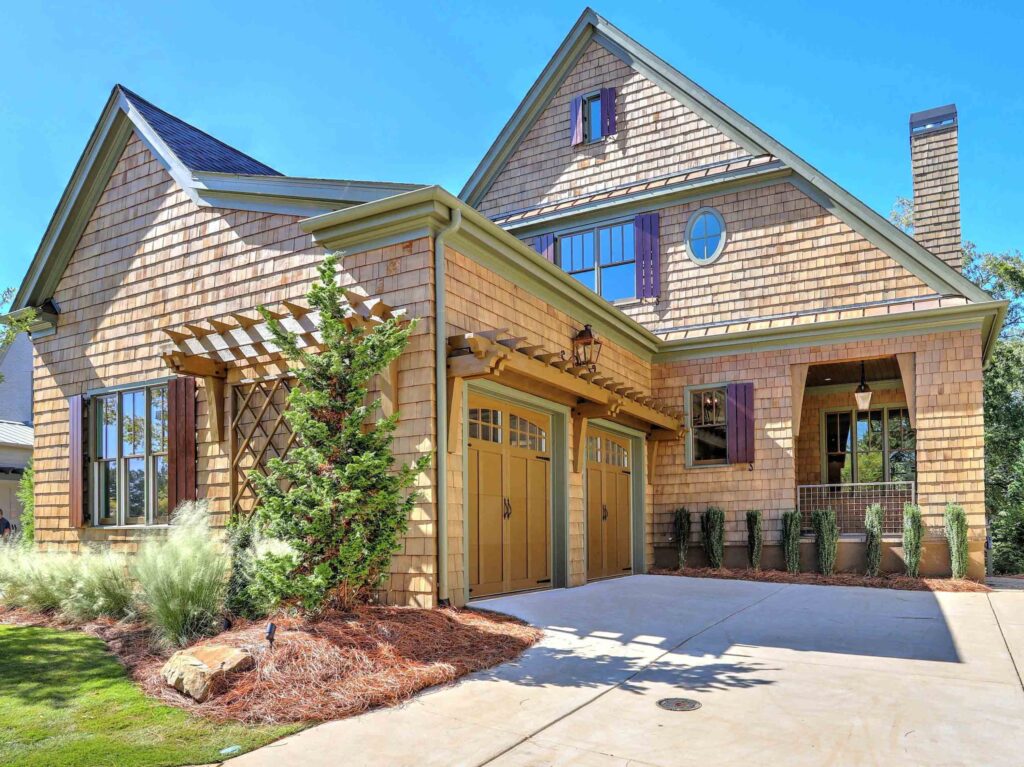
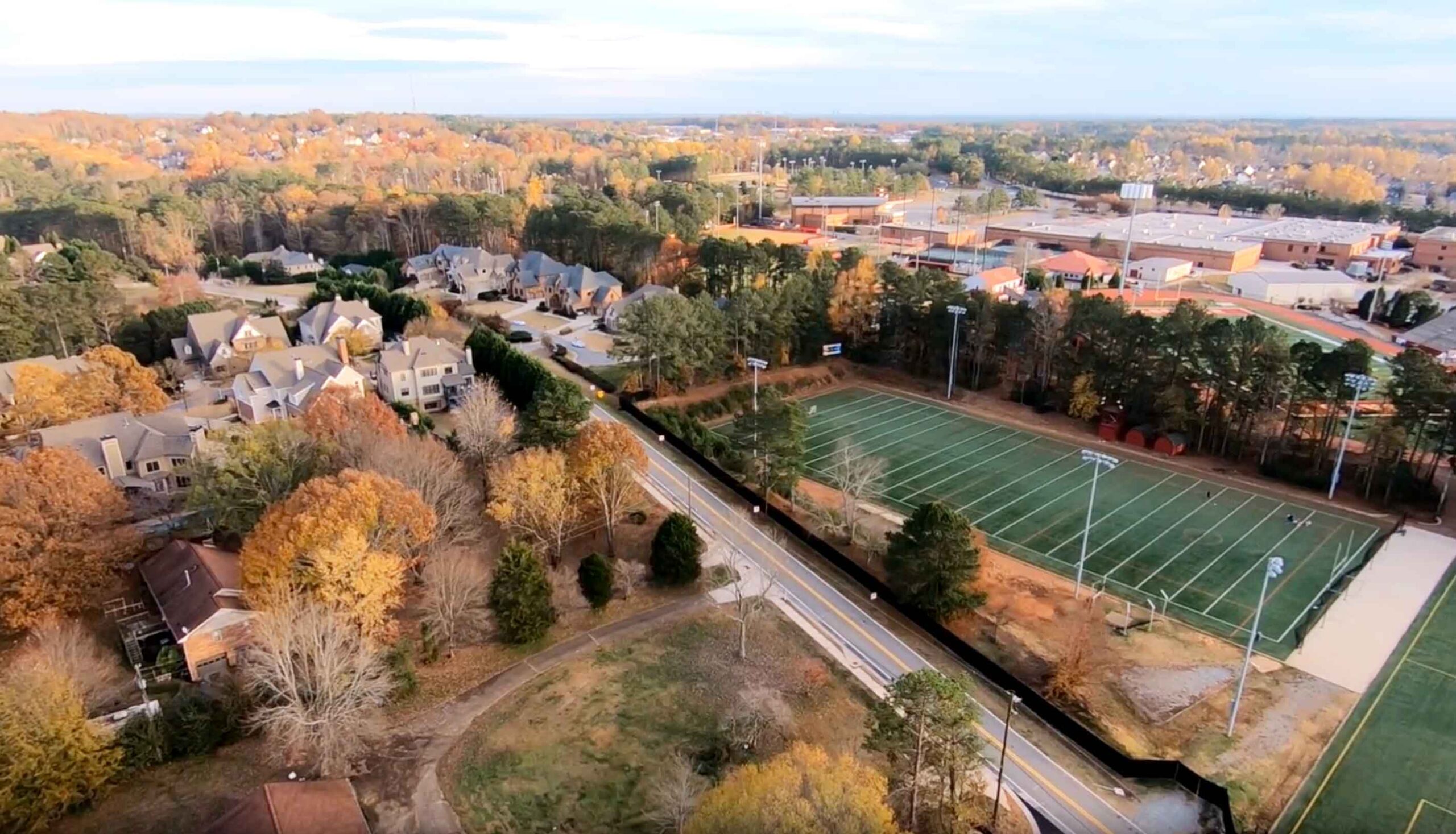
Designed for the way the land was found
The Oaks at Mill Pond sits on beautiful rolling acreage that was once the homeland of Cherokee Indians and later a farmstead for one of East Cobb’s pioneer families. The design approach began with that history and with the trees already standing on the property.
Century-old live oaks and magnolias were left to define the shape of the community, so that homes, lawns, and the park at the center all read as one setting rather than a collection of lots.
A rustic fireside pavilion stands at the heart of the lushly landscaped park, giving the neighborhood a natural gathering place and reinforcing the intent for a simple, peaceful lifestyle.
- Setting Rolling acreage with century-old live oaks and magnolias
- Land Once Cherokee homeland and a pioneer farmstead
- Community Rustic fireside pavilion in a lushly landscaped park
- Location East Cobb, with an excellent public school system
Our Story. The designer’s work is one part of a larger story that begins with the history of the land. Read how The Oaks at Mill Pond grew out of Cherokee homeland and a pioneer farmstead into the community it is today.
At The Oaks at Mill Pond, design begins with the land itself. The community is set among rolling acreage that has long held a quiet presence in East Cobb, shaped by the trees that were already rooted there before a single foundation was poured. The approach honors that history — of the people who first lived on this ground and of the century-old live oaks and magnolias that frame it — while introducing a vision for how people want to live now. Homes here are drawn as an extension of the landscape rather than an interruption of it.
Century-old oaks and magnolias give the neighborhood its character and its shade. Their branches reach across the setting, lending a sense of permanence and calm to daily routines, and they serve as a natural organizing gesture for the community design. Rather than clearing the site, the layout bends around existing canopies, letting homes settle quietly into the terrain. The result is an ambiance that feels established from the first visit — a place where neighbors gather beneath the trees and the landscape stays unmistakably intact.
Land design here is guided by a simple premise: build for the way the land was found. Rolling topography, mature tree lines, and the traces of a historic farmstead all informed the master plan, and the resulting community carries a rustic, timeless quality without feeling dated. Homes are positioned to take advantage of natural light, long views, and shared green space, while pavilion-style gathering areas and park-like edges encourage an easy, neighborly rhythm among residents.
The homes themselves carry a distinctive exterior character, drawing on regional building traditions and a refined, editorial sense of proportion. Deep overhangs, warm materials, and considered rooflines allow each structure to sit comfortably among the oaks, and interiors were planned around the same desire for simplified, functional living. The designer's intent was to create a collection of homes that feel collected over time rather than produced all at once — a rich legacy of craftsmanship that invites residents to settle in, put down roots, and live beneath the branches for years to come.